| Botanical Name | Zinnia |
| Family | Asteraceae |
| Genus | Zinnia |
| Specie | Elegans |
| Local Name in Urdu | |
| Common Name | Zinnia |
| Life Cycle | Annual |
| Cultivar Name | Magellan Mix |
| Fragrant or Not | No |
| Category(Bush/Vine/Tree) | flowering plant |
| Height | 12-18 in. |
| Spacing | 12-15 in. |
| Flowering Months | Summer |
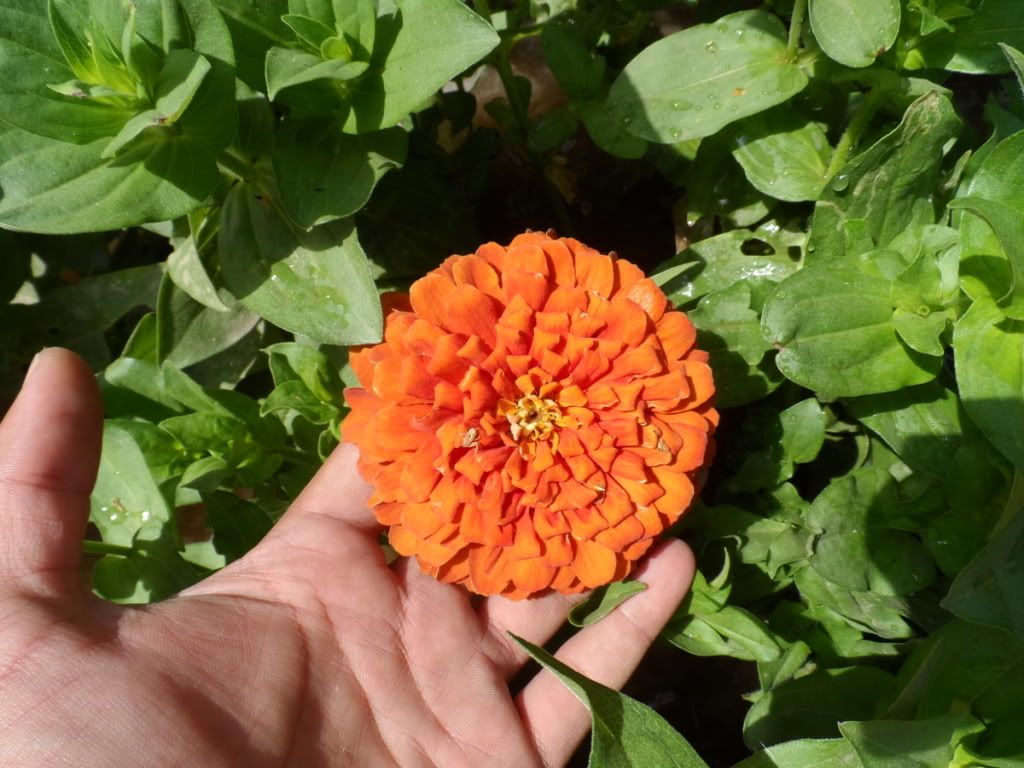
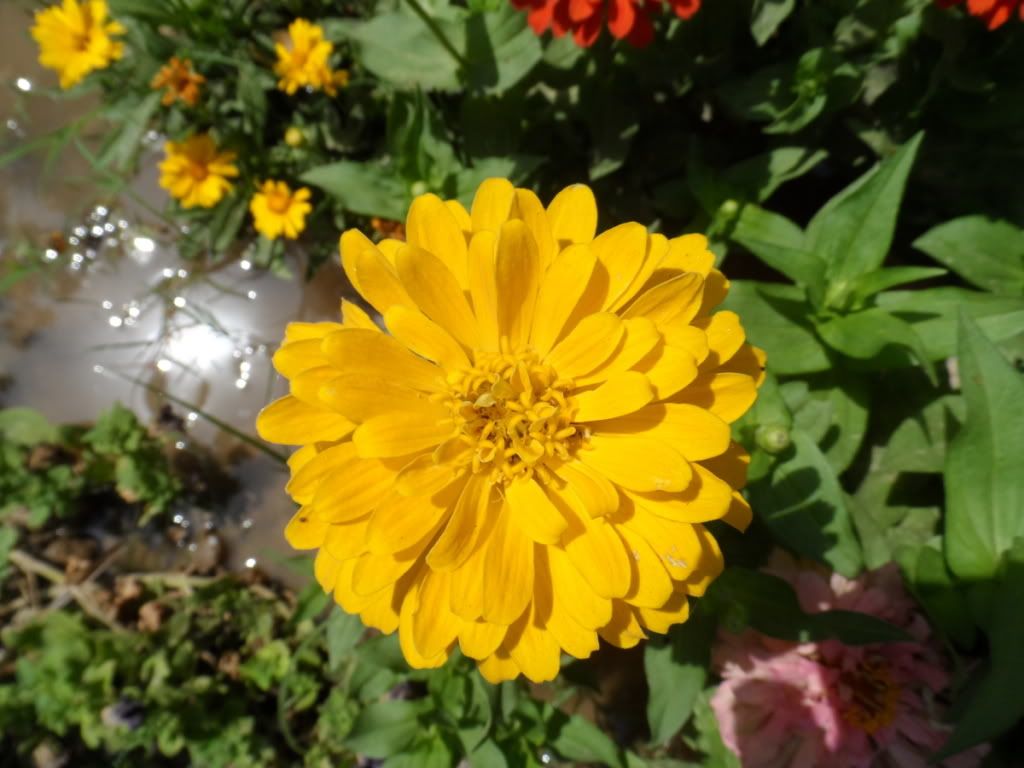
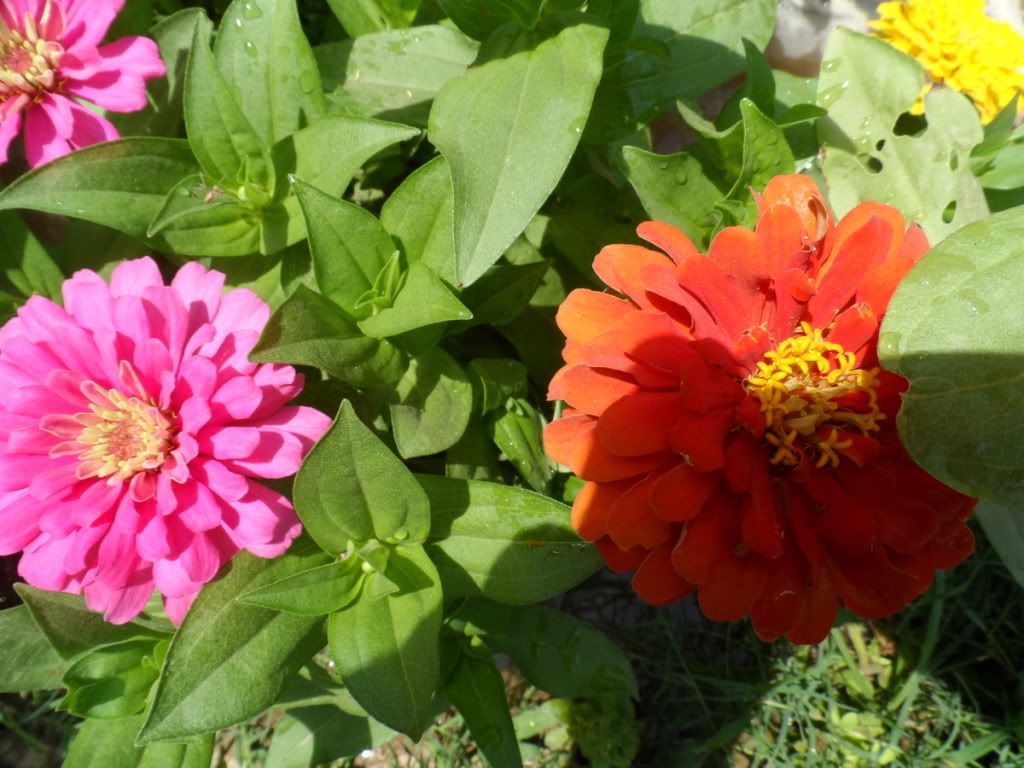
| Flower Color | Pink Red Scarlet (Dark Red) Orange Red-Orange Bright Yellow |
| Growing Areas | All Pakistan |
| Frost Tender | No |
| Exposure | Full Sun |
| Soil pH | Tolerant |
| Propagation | by seeds |
| Uses | Ornamental plant,Cut Flowers,Attracts Butterflies |
| Other Details | Zinnias are popular garden flowers, usually grown from seed, and preferably in fertile, humus-rich, and well-drained soil, in an area with full sun. They will reseed themselves each year. Over 100 cultivars have been produced since selective breeding started in the 19th century. Zinnia elegans, also known as Zinnia violacea, is the most familiar species, originally from Mexico and thus a warm–hot climate plant. Its leaves are lance-shaped and sandpapery in texture, and height ranges from 15 cm to 1 meter.Perfect for the front of the annual bed, containers, or as accents in the patio garden and perennial border, Zinnia Magellan holds up its big, heavy blooms beautifully, almost vanishing beneath their colorful heads at the height of the season. Deadhead the old flowers to keep new buds arising, and you'll get even more glorious color!zinnias are extremely reliable bloomers throughout our long hot, dry summers and very difficult growing conditions. |